How to Find a Good Dentist:
10 Trustworthy Signs
Last Updated: June 18, 2025
🕒 5 min read
Intro
Nobody likes going to the dentist. At best, you tolerate it.
At worst, you postpone it until pain makes the decision for you.
That’s exactly why finding a dentist you can trust actually matters.
If the experience feels wrong — rushed, confusing, salesy, or uncomfortable — people stop going.
And teeth don’t do well with neglect.
This article is written for non-dentists who are either:
- looking for a new dentist, or
- quietly wondering if their current one is really the right choice.
You don’t need to love your dentist.
You just need to trust them — both as a professional and as a human being.
Let’s break down some very practical signs that usually separate a good dentist from a bad one.
Human qualities

You don’t learn this in the first 10 minutes — but it doesn’t take long either.
After a visit or two, a dentist’s personality starts to leak through.
And that matters, because you’ll be lying there, mouth open, unable to talk, while someone works a few centimeters from your brain.
You should feel tense because of the procedure — not because of the person doing it.
A good dentist doesn’t feel like an enemy.
They feel like someone competent who’s trying to help you — even when the news isn’t great.
Here are the human signs that usually point in the right direction:
1. Dentist who is polite
Basic, but not optional.
They listen, don’t interrupt, and don’t talk down to you.
If the conversation feels natural and respectful, that’s a good start.
2. Dentist who has good ethics
Treatment comes first. Always.
They don’t push unnecessary procedures, and they don’t sell shortcuts just because you want the “easy option.”
Even if you try to convince them to do less than needed, a good dentist will explain:
- why that’s risky
- what the consequences are
- and what alternatives actually exist
Ethics show up when saying “no” would be easier.
3. Dentist who is open and honest
They tell you things you might not like — calmly, clearly, without drama.
And if they’re unsure about something, or admit a mistake, that’s not weakness.
That’s confidence.
Anyone pretending to be perfect usually isn’t.
4. Dentist who speaks in an understandable way
If every explanation sounds like a medical lecture, that’s not education — it’s camouflage.
A good dentist translates complex things into simple language and real-life examples.
If you understand why something is needed, trust follows naturally.
5. Dentist who is not egoistic
They don’t trash other dentists to make themselves look better.
If they see a problem with previous work, they explain the issue — not attack the person.
They also don’t hesitate to refer you elsewhere if someone else is better suited for your case.
A little ego is normal. An unchecked one is dangerous.
6. Dentist who is always doing their best work
Even on a bad day.
Even if you’re not the easiest patient.
Their standards don’t drop based on mood.
This is where ego actually helps — the good kind.
Knowledge and skills
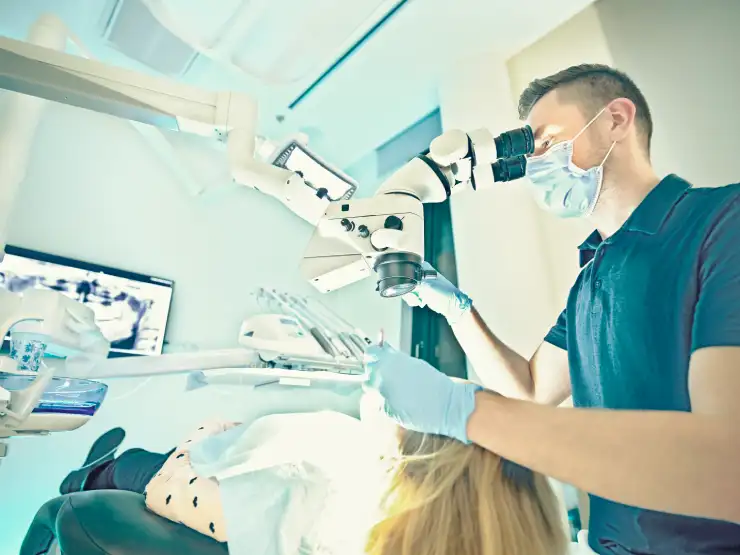
As a patient, you can’t judge technique directly — and you shouldn’t have to.
Dentistry is technical, detailed, and unforgiving.
But good dentists tend to leave visible clues.
A dentist who works by the book follows proven protocols — not shortcuts invented to save time or money.
Skipping steps usually doesn’t fail immediately.
It fails later — when the patient pays for it.
If you notice the following signs, chances are you’re dealing with someone who takes their craft seriously:
7. Dentist who uses rubber dam

A rubber dam is a colored latex sheet used mostly during root canal treatment.
It isolates the tooth, keeps saliva and bacteria out, and creates a clean working field.
It’s not optional if you care about success.
If your dentist uses one, chances are they don’t cut corners elsewhere either.
8. Dentist who uses X-rays

Dentistry without X-rays is guesswork.
Root canals, extractions, diagnostics — none of these work well blind.
If your dentist explains why an X-ray is needed and uses it to plan and document treatment, that’s how it should be done.
There are exceptions (like pregnancy), but avoidance without reason is not one of them.
9. Dentist who uses temporary dental crowns
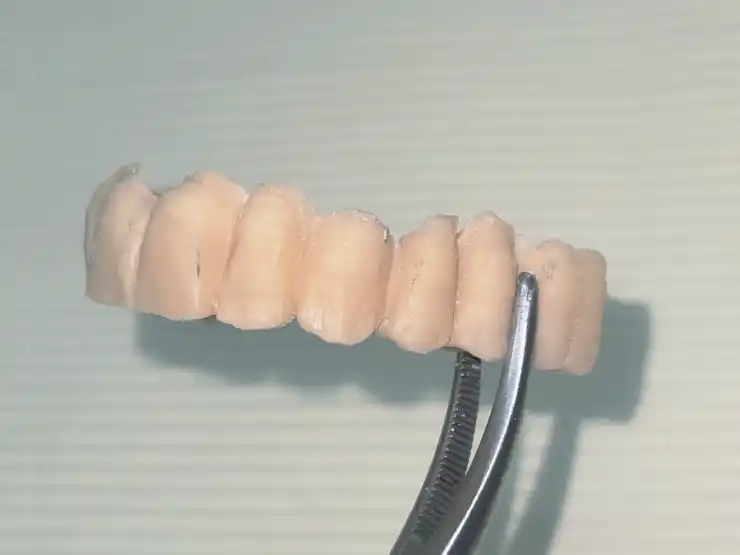
Temporary crowns protect a prepared tooth while the final one is being made.
They preserve function, protect sensitivity, and allow gums to heal properly.
Skipping them is faster — and worse.
If your dentist uses temporaries, they’re following protocol, not rushing outcomes.
10. Dentist who has dental magnification glasses

Magnification isn’t about fancy gear — it’s about precision.
Small details matter in dentistry, and seeing better usually means doing better.
If your dentist uses magnification, they care about accuracy — not just speed.
Bonus: Dentist who has good reviews

Reviews aren’t perfect, but patterns matter.
Consistently positive experiences usually mean something is working.
Just remember:
Every dentist has patients who love them — and patients who don’t.
Read reviews for trends, not drama.
Conclusion
No dentist checks every box.
Different cases reveal different strengths.
Some dentists are excellent technically but socially awkward.
Others are warm and calming but less complex in their work.
Your goal isn’t perfection.
It’s competence + trust + respect.
If you don’t trust your dentist, even if they seem skilled, things tend to go wrong.
That doesn’t mean to feel fear or anxiety — that’s normal.
It means a persistent feeling that something isn’t right.
In that case, getting a second opinion isn’t rude — it’s smart, for both.
If you find a dentist who has most of these qualities, chances are you’re in good hands.
And in the end, as in life, skill matters —
but intent matters more.

❓ Quick FAQ: Choosing the Right Dentist
How do I know if a dentist is good?
When not to trust a dentist?
How do I know if my dentist is any good?
How do most patients select a new dentist?
Does it matter which dentist you go to?
How do patients choose a dentist?

Author: DMD Alexander K.
Doctor of Dental Medicine on dental topics. Facts first. Drama optional.
Learn more on the About page.