How to Get Rid of Canker Sores Fast and Naturally
Last Updated: June 1, 2025
🕒 8 min read
🚀 Canker Sores – Quick Info
- Canker sores are small, painful wounds inside the mouth, usually about 1/8 to 3/8 of an inch (3–10 mm) in size, and they tend to show up in groups — typically 1 to 5 sores at the same time.
- The pain usually matches the size. Annoying? Yes. Dangerous? Usually no.
- Most of them heal on their own within 7–10 days.
- Common triggers include stress and hormonal changes.
- They are not contagious, so your partner can relax. 🙂

Think of it like a common cold:
treat it, and it goes away in a week.
ignore it, and it goes away in… a week. 🤓
If they’re making life miserable, check the treatments below.
Otherwise, keep reading — understanding them helps you worry less.
🧐 More Info on Canker Sores
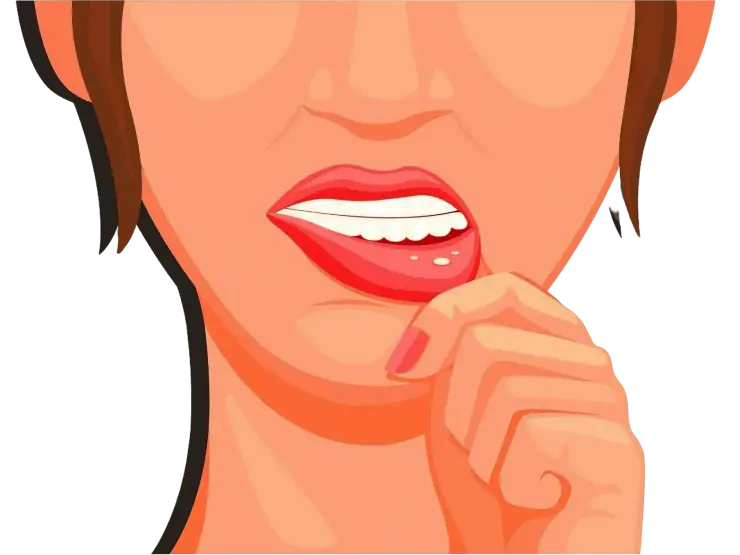
Canker sores (Aphthae, oral ulcers) are round or oval ulcers with a white or yellowish center (not pus) and a red border.
They usually appear on the inside of the cheeks, lips, under the tongue, or along the tongue’s sides.
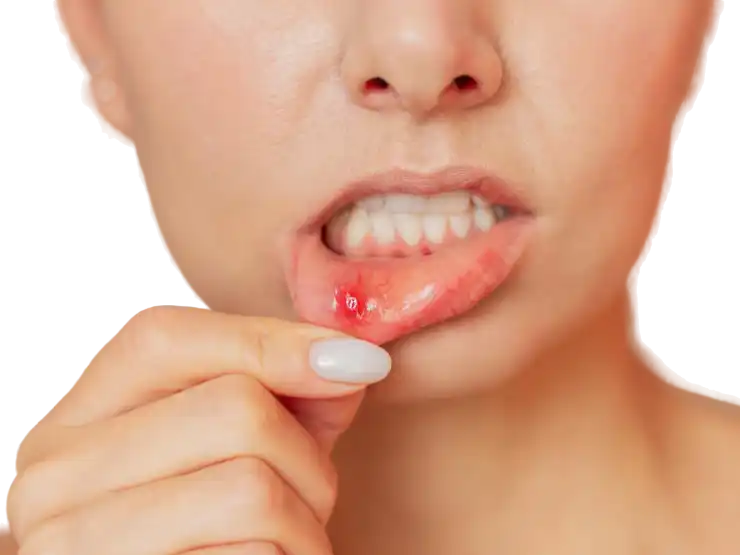
Types of canker sores
-
Minor Canker Sores
The classic kind — what most people mean when they say “canker sore”.
They account for about 80% of cases. Small (3–10 mm), annoying, and usually gone within 7–10 days without leaving scars.
Often preceded by a burning or tingling sensation, they typically appear on the inner cheeks, lips, tongue sides, mouth floor, or soft palate. -
Major Canker Sores
Bigger, deeper, and much less friendly.
These can reach 0.5–1 inch in diameter, are more painful, and can take 2–6 weeks to heal — sometimes leaving scars.
They often appear on the soft palate, tonsils, or back of the lips, usually after puberty, and they like to come back. -
Herpetiform Canker Sores
The confusing one.
Dozens of tiny sores (1–3 mm) appearing in clusters of 10 to 100.
They look like herpes — but they’re not. Different cause, same misery. However, Primary Herpes (HSV) infection looks pretty similar, so if you see so many small sores together, it’s smart to get a professional opinion.
That means if it’s a herpes infection it can be contagious, so avoid contact.
❓ Potential Causes of Canker Sores?
Short version: there isn’t just one.
Different people, different triggers — often a combination and the list is long.
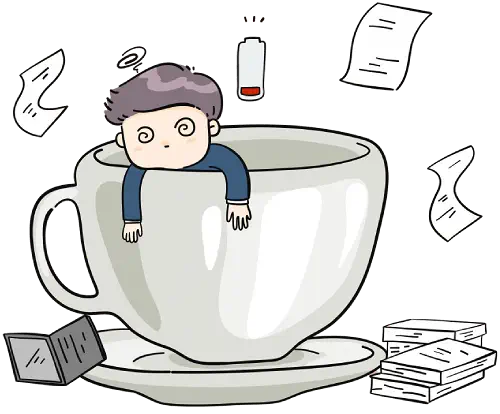
Common suspects include (order not indicating importance):
- 😰 Stress & Fatigue – Mental or physical overload is a frequent trigger. Younger people (under 30) get them more often, especially during exams, intense training, or long work hours.
- 🧬 Genetics – If your parents had them, congratulations — you may have inherited them.
- 🦷 Mouth Injuries – Cheek biting, aggressive brushing, hard toothbrushes, dental procedures, extractions — trauma is a known invitation.
- 🔄 Hormonal Changes – Often linked to menstrual cycles.
- 🍞 Food Sensitivities & Deficiencies – 🧀 Cheese, 🍫 chocolate, ☕ coffee, 🥛 cow’s milk, 🌾 gluten, 🥜 nuts, 🍓 strawberries, 🍅 tomatoes, 🎨 dyes, 🧪 flavoring agents, and 🥫 preservatives
- 🪥 Toothpaste ingredients – Some people react to sodium lauryl sulfate (SLS) found in many toothpastes.
- 💊 Systemic Medications – Nonsteroidal anti-inflammatory drugs (Ibuprofen, Aspirin, Diclofenac), beta blockers (for high blood pressure), and nicorandil (used for angina, reducing chest pain).
- 🦠 Viruses and Bacteria – Streptococci (sore throat 🔥), Helicobacter pylori (cause stomach ulcers), herpes virus HSV (👉 cold sores), varicella-zoster virus (chickenpox 🐔), adenovirus (common cold, bronchitis 🤧), and cytomegalovirus (mononucleosis, kissing disease 💋)
- 🚬 Smoking
🏥 How to Treat Canker Sores
Most of the time, you don’t need or can’t do much.
If you find a possible trigger for your case, then try to avoid it.
For first aid, you can start with home remedies.
If those fail, move on to OTC products or dental office treatments, ideally after professional advice.
🩹 Home Treatments for Canker Sores
Start simple. Natural remedies first.
They’re gentle, cheap, and often surprisingly effective.
🌿 Natural & Home Remedies

Gentle, boring, and effective — medicine’s favorite combination.
-
🍃 Sage or 🌼 Chamomile Tea Rinses
Both are known for soothing and healing oral tissues.
Use 1 tsp of dried herb in hot cup water, steep for 10 minutes, cool, swish for 30 seconds, spit. Repeat 2–3 times daily. -
🍯 Honey & Propolis
Dab directly on the sore. Antibacterial, soothing, and can speed healing.
Propolis gels or tinctures are available in pharmacies — ask how to use them properly. -
🥥 Coconut oil
Dab or swish. Mild antimicrobial effect, minimal downside. -
🧂 Baking soda or salt rinse
Balances pH and reduces irritation.
Dissolve 1 tsp in warm ½ cup water and rinse several times daily.
🛒 Over-the-counter (OTC) Products
Read instructions. Don’t improvise.
If unsure, ask your dentist or pharmacist.
-
Mild Anesthetics
Benzocaine gels (e.g., Orajel, Anbesol, Zilactin-B, Orabase) temporarily numb pain.
They don’t heal the sore — they just make eating possible.
Avoid prolonged use and don’t use in children under 2. -
Mouthrinses
Chlorhexidine mouthwash can reduce bacterial load and inflammation.
Avoid alcohol-containing rinses — they irritate the ulcer.
🦷 Treatment at a Dental Office
- Laser Treatment – Focused laser energy can reduce pain, speed healing, and sometimes lower recurrence.
Available only in dental offices with proper equipment.
🔄 How to Prevent Canker Sores

- Eat a balanced diet — especially iron, B12, folic acid
- Manage stress — boring advice, effective results
- Avoid trigger foods — spicy, acidic, rough
- Use a soft toothbrush
- Switch to SLS-free toothpaste if needed
- Reduce or stop smoking — many patients notice improvement
🔗 Related Conditions & Similar Sores
Usual suspects:
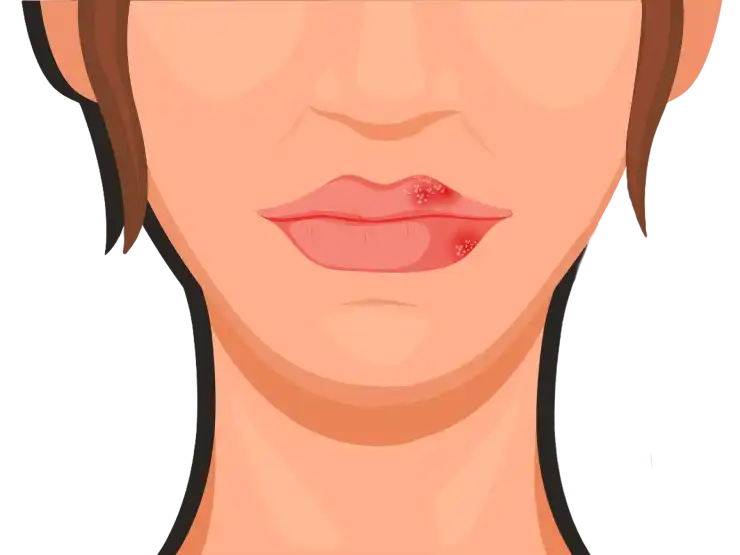
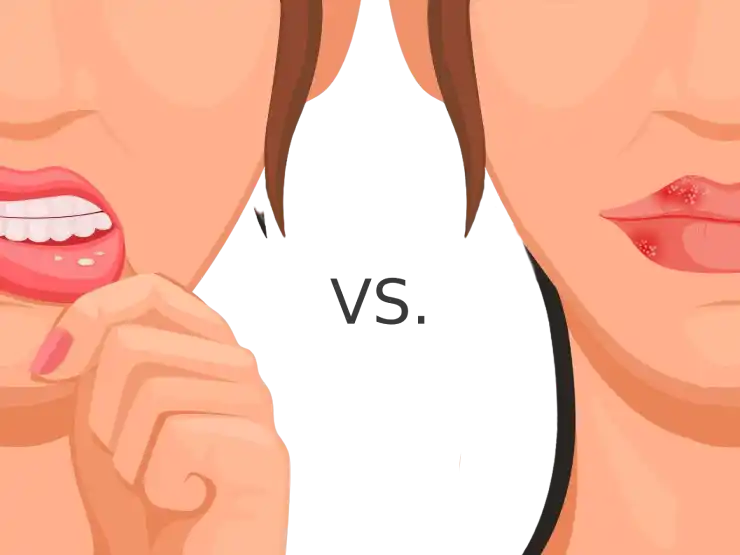
- Cold Sores (Herpes Simplex Virus) – learn more here 👉 Canker Sores vs Cold Sores.
- Initial Herpes Infection (Primary Herpes, Gingivostomatitis) – can mimic canker sores, usually there are more ulcers in the mouth unlike in typical canker sores where there are only few, need to visit a dentist for diagnosis.
- Shingles (Herpes Zoster) – can affect the mouth but rarely. Usually the skin is affected in older adults.
- Oral Thrush (Candidiasis) – fungal infection, multiple white patches that can have irregular shapes, can be wiped off and sometimes confused with canker sores.
- Hand, Foot, and Mouth Disease – viral illness usually in children but it can affect adults too. Sometimes there are just mouth sores, or skin blisters on hands and legs, or it can be combination of all.
- Herpangina (Sore Throat caused by Coxsackievirus) – Numerous aphthous-like ulcerations in the back of the mouth, usually on the soft palate.
- Many more…
If you’re unsure about your sore, especially if it’s unusual, or you have other symptoms, better see a dentist or doctor for a proper diagnosis.
🚨 When to See a Dentist or Doctor

Most canker sores are harmless.
But get checked if:
❗ They last longer than 2 weeks
❗ They come back too frequently
❗ They’re very large or extremely painful
❗ You also have fever, swollen glands, or trouble eating
❗ Anything feels “off” or unusual
❓ Canker Sore FAQ: Questions People Ask at 2 AM
What are canker sores an indicator of?
What viral infections cause canker sores?
How long do canker sores last?
Can canker sores cause swollen lymph nodes in the neck?
Why do I keep getting recurrent canker sores?
What is the white stuff in a canker sore?
Are canker sores from poor hygiene?
How did I get a canker sore out of nowhere?
What foods trigger canker sores?
What deficiency causes canker sores?
Why do canker sores hurt so bad?
Are canker sores linked to other health issues?
When should I worry about canker sores?
Do mouth ulcers mean a low immune system?
Canker sores are annoying — not dangerous.
Understand your triggers, adjust your habits,
and most of the time, they behave. 🍀

Author: DMD Alexander K.
Doctor of Dental Medicine on dental topics. Facts first. Drama optional.
Learn more on the About page.