Do You Really Need a Dental Crown? Make an Informed Choice
Last Updated: July 4, 2025
🕒 7 min read
🚀 Short answer
Most dental treatments don’t scare people.
Dental crowns do.
Not because they hurt — but because once the word crown is mentioned, patients start wondering if their tooth is actually in danger… or if their wallet is.
And that’s a fair concern.
Crowns can save teeth.
They can also be overused.
And once a healthy tooth is drilled down, there’s no “undo” button.

That’s why the question “Do I need a dental crown?” has no universal answer.
The only honest one is:
“It depends.”
So let’s do what your tooth deserves:
skip the marketing, skip the fear tactics, and look at when a crown is truly necessary — and when it isn’t.
👑 Dental Crown
So, what exactly is a dental crown?
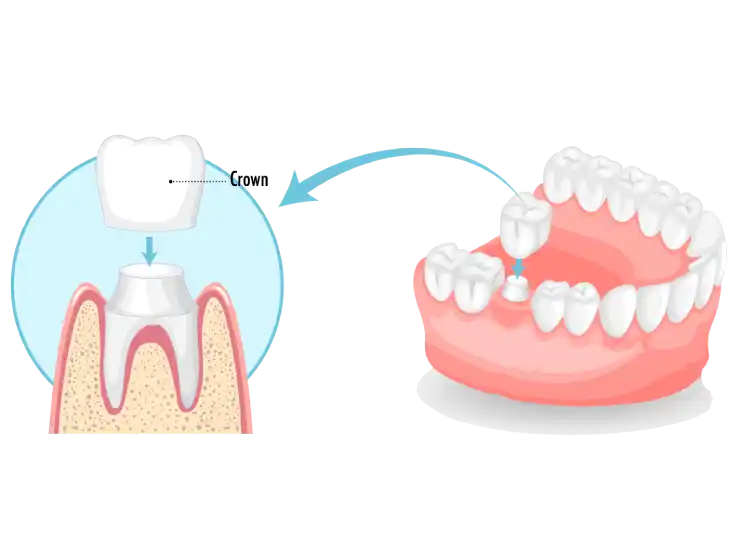
A dental crown is a cap — made of ceramics, metal-ceramics, or zirconia — placed over a weakened tooth to restore its shape, strength, function, and appearance.
✅ What Is Dental Crown Good For?
A dental crown reinforces weakened tooth structure and restores proper chewing and aesthetics.
Most importantly, it protects the tooth from cracking or breaking under pressure.
Why does that matter?
Because once a tooth breaks, treatment stops being simple — and starts getting expensive.
A fracture often leads to:
- tooth extraction
- dental bridges
- dental implants
Ironically, no matter how expensive a crown feels upfront, it is often cheaper than losing the tooth and replacing it later.
And leaving a gap untreated?
That’s how neighboring teeth tilt, shift, overload, and cause:
- bite problems
- jaw stress
- digestive issues
At that point, costs don’t just rise — they multiply.
👍 When a Dental Crown Is Absolutely Necessary
There are situations where placing a crown soon — or immediately is simply the smart move.
Especially when the risk of fracture is high.

Common scenarios where a crown is usually necessary:
- Endodontically Treated Teeth (Root Canals)
After a root canal, teeth slowly lose elasticity and become more brittle.
Not overnight — but often within 1–2 years.
This is especially critical for back teeth, which absorb most chewing forces.
Add to that the fact that often many root-treated teeth have already lost a significant amount of structure.
In these cases, a crown isn’t cosmetic — it’s fracture prevention.
This doesn’t apply to every root canal tooth, if the tooth substance is still sufficient and there are no aesthetic concerns, the crown can wait or be avoided at start.
Later placement can be planned based on regular check-ups.
- Severely Damaged Teeth
When most of the tooth is gone and held together mainly by a filling, fracture risk is high.
This applies to back teeth — and front teeth too.
Without enough natural structure, normal chewing forces can be enough to break the tooth.
- Front Endo-Treated Tooth With Esthetic Concerns
Root-filled front teeth often darken over time and lose their natural translucency.
Internal tooth whitening can help, but results are usually limited and temporary.
A crown may offer the most predictable long-term aesthetic result.
It doesn’t always need to be placed immediately, but planning for it makes sense — especially if you want fewer repeat visits and better durability.
🤔 When a Dental Crown Can Wait or Be Avoided
Not every filling or root canal automatically needs a crown.
The decision depends on the dentist’s judgment and factors like:
- ✅ How much natural tooth remains
- ✅ Tooth position (front vs back)
- ✅ Root canal status
- ✅ Neighboring teeth and bite forces
- ✅ Bone and gum support
Situations where a crown can wait — or be skipped:
- A tooth with a small or moderate filling that doesn’t weaken structure
- A root-treated tooth that remains strong and has no esthetic issues
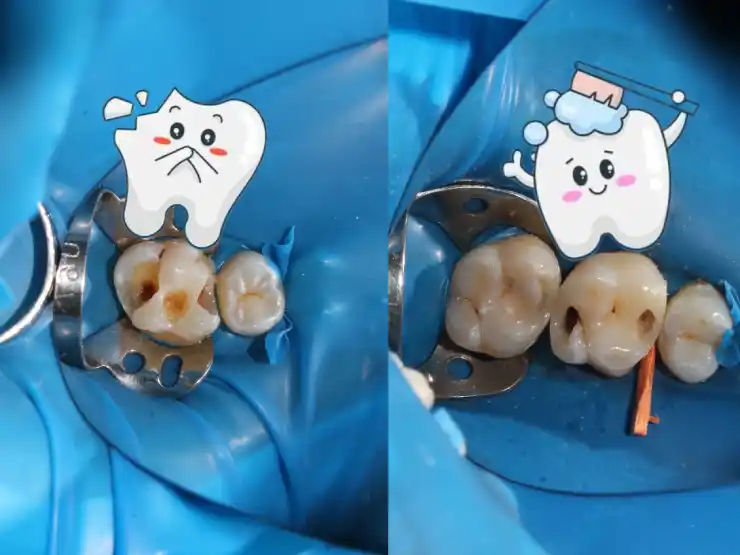
This is not something most patients can accurately judge on their own — and that’s fair.
It requires experience, imaging, and a proper clinical exam.
Still, the final decision is yours.
And trust matters.
Check out our post “How to Recognize a Great Dentist: 10 Trustworthy Signs”
👎 When a Crown Is Not a Good Idea
Let’s simplify this:
- Healthy tooth
- Multiple crowns for esthetics only
- Better alternatives exist
Healthy Teeth
If a tooth is healthy, untouched, or has only a small filling, placing a crown purely for looks is often overkill.
We’re talking crowns — not bridges.
Yes, there are rare esthetic exceptions.
But in most cases, drilling down a healthy tooth is a decision you can’t undo.
Multiple Dental Crowns for Esthetic Reasons
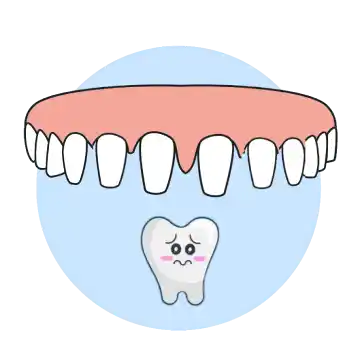
The “Hollywood smile” trend has a price — and it’s paid in tooth structure.
Crowns require aggressive and irreversible preparation.
Doing this to healthy teeth just to chase a certain look deserves a second — or third — thought.
Better Alternatives Available
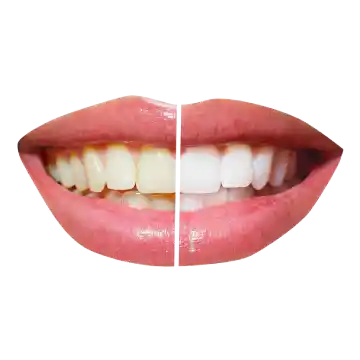
- Tooth Whitening – less invasive, natural-looking
- Composite Bonding - tooth filling material to repair chips, closes gaps, reshape teeth
- Porcelain or Zirconium Veneers - minimal tooth reduction, excellent esthetics (need to find a skilled dentist for this)
- Inlays / Onlays - partial crowns that preserve more tooth structure
- Orthodontics - for alignment and spacing issues
⬇️ What Are Downsides of Dental Crowns?
Crowns work — but they’re not harmless:
- ⚡ Irreversible tooth reduction
- ⚡ Temporary sensitivity
- ⚡ Gum irritation
- ⚡ Cost
- ⚡ Finite lifespan (typically ±10–15 years)
- ⚡ Bite issues if poorly shaped
- ⚡ Aesthetic variability
- ⚡ Possible need for root canal
All reasons why crowns should be placed for the right reasons — not rushed decisions.
👨⚕️ Final Word: Trust the Right Dentist
A dental crown can either save a tooth or unnecessarily damage it.
Both happen.
Crown teeth when needed. Preserve them whenever possible.
A good dentist will explain why, discuss alternatives, and outline long-term consequences — not rush you into a chair.
And remember:
- Crowns are excellent — when indicated
- A natural tooth is still the gold standard
❓ Quick FAQ: Dental Crowns
Why do dentists push for crowns?
How long do dental crowns last?
Do teeth go bad under crowns?
Can I eat normally with a crown?
How many times can a crown be replaced?
What are signs that I need a crown?
How often do crowns come off of teeth?
If it keeps happening, it may be time to question the solution — or the provider.
Check our article: 👉 How to Find a Good Dentist: 10 Trustworthy Signs.
Can crowns get cavities?
Is it better to get a crown or pull the tooth?
How long will a tooth hurt after a crown?
Is getting a crown worth the money?
Get a crown — pay for a crown.
Skip a necessary crown — pay later for extraction and replacement (implant, bridge, denture or still a dental crown but plus root canal treatment ), which usually costs far more.
This only applies to teeth where a crown is truly indicated — not teeth that could be managed with simpler, less invasive treatments like a filling.
Want more no-nonsense dental guidance?
Check out our Patient Advice blog.

Author: DMD Alexander K.
Doctor of Dental Medicine on dental topics. Facts first. Drama optional.
Learn more on the About page.