When to Start Brushing Baby Teeth:
A Dentist Explains
Last Updated: August 4, 2025
🕒 5 min read
🚀 Short answer
You might be surprised by the answer:
As soon as the first tooth shows up.
Baby teeth might be temporary, but they’re far from irrelevant.
They’re often ignored because they eventually fall out —
which is like saying seatbelts don’t matter because
you won’t crash every day.
These first baby teeth help your child transition to solid foods.
And chewing isn’t just about breaking food apart — it’s the first step of digestion.
Good chewing helps the body absorb nutrients that support your baby’s growth and development.
Healthy baby teeth also play a major role in speech, jaw development, and holding space for adult teeth to come in where they’re supposed to.
On the flip side, tooth decay and root infections in baby or toddler teeth can cause pain, inflammation, and stress —
especially when infections are ignored because “they’re just baby teeth.”
So yes, they’re temporary.
But they still deserve real care.
🪥 How to Clean Baby Teeth
A standard toothbrush isn’t exactly user-friendly inside a tiny mouth that moves unexpectedly.
The good news: you have better options early on.
-
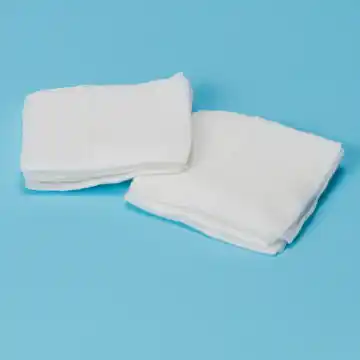
Gauze Compress:
Not exactly glamorous, but surprisingly effective.
Wrap a clean, damp gauze around your finger and gently wipe your baby’s teeth and gums.
Simple. Gentle. Effective.
Try it once yourself — you’ll be impressed by how much plaque it removes. -
Finger Toothbrush:
Soft silicone brushes that slide over your finger.
They clean teeth and massage gums without turning brushing into a wrestling match. -
Baby Toothbrushes:
Small heads, soft bristles, made for tiny mouths.
They work well as more teeth appear — but they take a bit of practice (for both of you).
The goal isn’t artistic brushing.
The goal is to remove plaque.
Find what works best for you and your baby.
The routine will come with time.
🛁 Brushing Habits Start Early
At this stage, brushing is less about perfection and more about consistency.
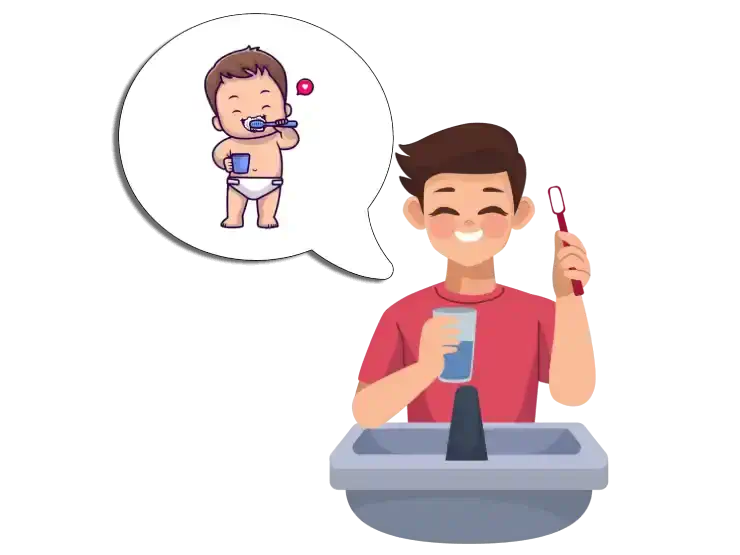
Once or twice a day is enough — especially before bedtime.
While brushing, try to:
- Gently clean all sides of the teeth
- Make brushing part of the bedtime routine
- Let your baby watch you brush your own teeth
Kids copy what they see.
Use that to your advantage.
🍬 Avoiding Sugar Is Just as Important
Brushing matters — but sugar control matters just as much, if not more.
The biggest risk to baby teeth isn’t missing a brushing once in a while.
It’s frequent exposure to sugar, especially before sleep.
Common troublemakers include:
- Sweetened milk or drinks
- Fruit juices
- Baby snacks with hidden sugars
🤱 Breastfeeding does NOT cause tooth decay, despite how often that myth pops up.
Breastfeeding is actually beneficial for your baby’s health.
Breast milk contains antibodies and lactoferrin, which help fight bacteria linked to tooth decay.
So if you’re breastfeeding — relax.
Breast milk alone isn’t the problem.
👉 Learn more about it: Does Breastfeeding Really Cause Cavities?

🫧 What About Toothpaste?
Here’s something that surprises many parents:
Toothpaste is optional in the beginning.
The toothbrush does the real work — at any age, including adulthood.
Good brushing technique beats toothpaste every time.
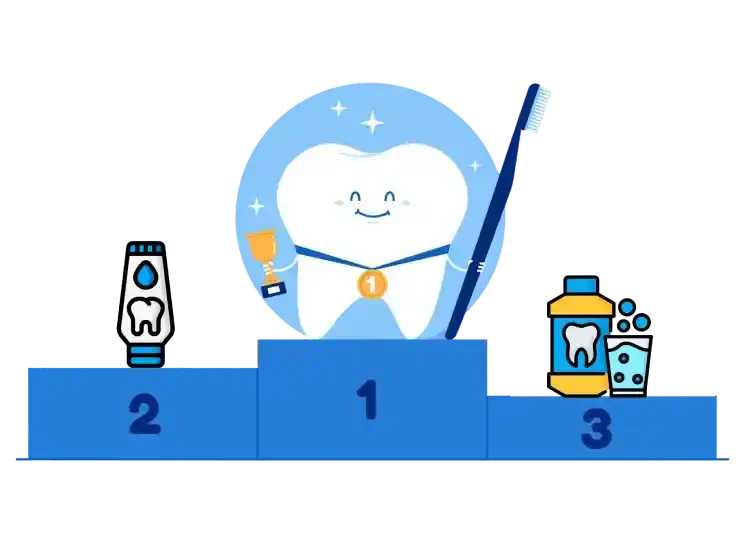
Toothpaste is an assistant, not the star.
It helps speed things up and makes brushing more enjoyable — especially since most baby toothpastes are flavored.
If you prefer to avoid fluoride, that’s fine.
If you choose a fluoride toothpaste, use one made for infants and apply only a tiny smear — about the size of a grain of rice.
Toothbrush vs toothpaste and everything about fluoride will be covered in future articles — stay tuned.
📌 No Time, Have to Rush
- 🦷 Start brushing with the first tooth
- ✋ Use gauze, a finger brush, or a baby toothbrush
- 🛁 Build the habit, not perfection
- 🍬 Watch out for hidden sugars, especially during weaning
- 🤱 Breastfeeding is protective, not harmful
- 🪥 Toothbrush > toothpaste, especially early on
❓ FAQ: Brushing Baby Teeth
How old should you start brushing a baby's teeth?
How do I clean my 7 month old's teeth?
Is it OK to use water only to brush baby teeth?
Does my 7 month old need toothpaste?
What toothpaste is safe for babies?
Can I use a finger toothbrush for my baby?
What happens if I don't brush my baby's teeth?
What are signs of decay in baby teeth?
Should I let my 1 year old brush their own teeth?
Should you brush baby teeth before or after milk?
A clean start beats a complicated fix later. 🍀

Author: DMD Alexander K.
Doctor of Dental Medicine on dental topics. Facts first. Drama optional.
Learn more on the About page.