Teething Rash:
What It Looks Like and When It's Not Teething
Last Updated: April 24, 2026
🕒 6 min read

Written by DMD Alexander K.
Doctor of Dental Medicine, 10+ years of clinical experience, focused on preventive dentistry and patient education. Learn more on the About page.
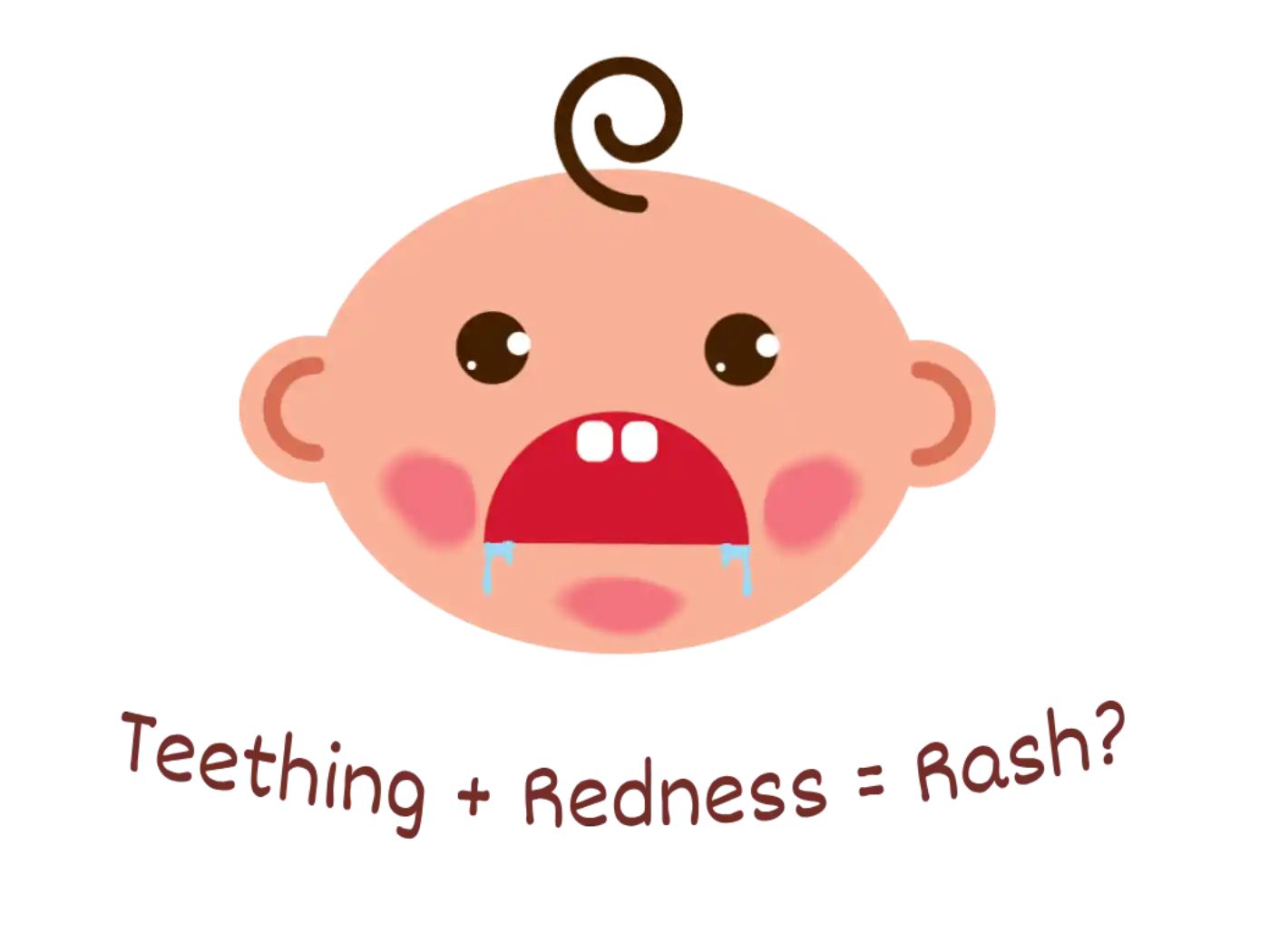
Table of Contents
Quick info 🚀
Teething rash is a skin irritation that shows up in babies during teething — usually between 6 and 18 months.
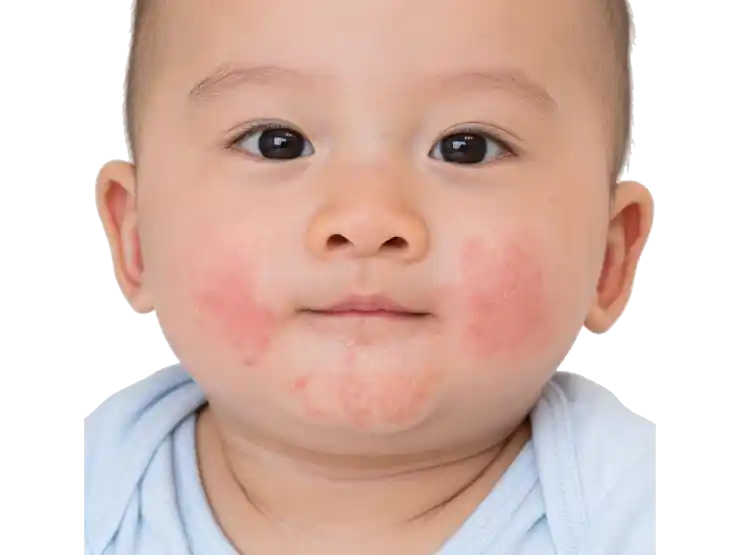
It looks like:
- red, irritated skin
- around the mouth, cheeks, and chin
- often patchy, uneven
It looks bad.
Once you see it, it ruins your day for sure.
But the important part:
It’s not dangerous.
With basic care, it usually clears in 1–2 weeks.
👶 Part of our Kids Dental Health Guide
This article is part of our Kids Dental Health Guide, where we break down the most common dental problems in children and how to deal with them.
Teething rash — how it actually starts 🤔
Let’s clear something up:
Teething doesn’t cause rash.
Saliva does.
Teething just turns the faucet on.
Your baby’s mouth is not a sterile little bubble.
From the first days of life, bacteria start moving in.
At first, it’s a simple setup — just soft tissues.
That’s interesting only for certain types of bacteria.
Then the first tooth shows up.
That attracts different types of bacteria and the party begins.
Now you’ve got:
- new surfaces (teeth)
- new bacteria
- more activity
Teething is not a calming experience for babies, it itches, they want to scratch it,
they put whatever they can find in their mouth to get some relief.
Fingers, toys, blankets, everything in a hands reach (watch out for choking hazards).
Basically, the mouth goes from “studio apartment” to “open-space office.”
Droll goes out, instead of being swallowed → it stays around the mouth with all that party bacteria → it gets dry → add to that cheeks and chin rubbing against the pillow → and you get the perfect storm for a teething rash.
Depending on the baby’s age, drooling can be more or less intense, so you can prepare for it.
Here you can use interactive teething chart with a drooling timeline:

How to tell if it’s teething rash 🧐
You don’t need a lab test. You need pattern recognition.
Teething rash usually looks like this:
- red, irritated skin around mouth, chin, cheeks
- uneven patches
- rash is localized only around the mouth
- baby is in teething phase (6–18 months)
- no fever
- baby is otherwise fine (leave aside the fussiness and irritability that comes with teething)
If all boxes are checked — it’s teething rash.
Still unsure?
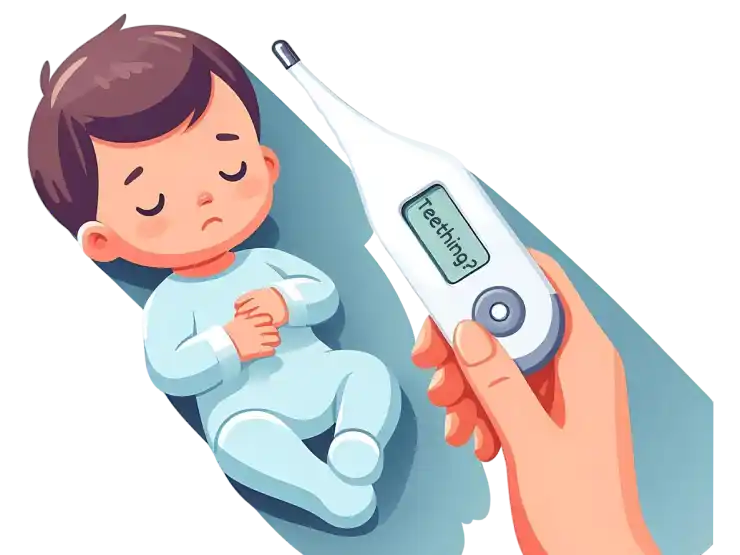
👉 If your baby also has fever while teething, read this first:
Still, if something seems off or you want to be sure, don’t hesitate to see a doctor. Trust your gut feeling, you know your baby best.
What can be mistaken for teething rash ⚠️
This is where most mistakes happen.
Not every rash near the mouth is “just teething.”
Here are the usual suspects and how to tell them apart:
🔥 Heat rash
- tiny red bumps caused by sweat and heat
- but usually appear on the back, neck and chest
- not just around mouth
🌵 Eczema
- chronic skin condition that can cause red, itchy patches
- but it usually dry and it can appear anywhere on the body
- tends to come and go
🦠 Hand, Foot & Mouth disease
- viral infection that causes sores in the mouth
- but also a rash on hands and feet
- and often comes with fever and overall unwell feeling
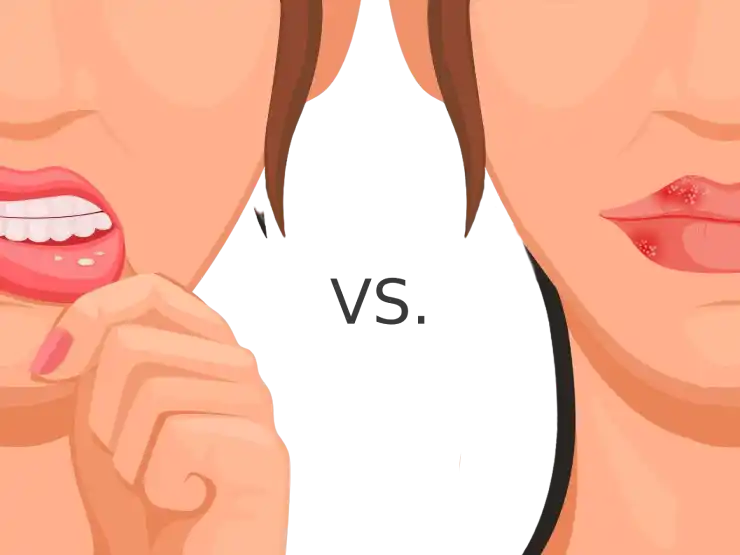
👉 Don’t confuse it with mouth ulcers:
🧫 Impetigo
- bacterial skin infection that causes crusty, yellowish lesions
- but it usually appears around the nose and mouth
- and spreads fast to other parts of the body
- and needs treatment
⚡ Allergic reaction
- can cause red, itchy rash
- but it usually comes with other symptoms like swelling, hives, and difficulty breathing
- can involve whole body
👉 Rule of thumb:
If it spreads beyond the face — it’s not teething rash.
Can teething cause rash all over the body? 🌍
Short answer:
No.
Long answer:
Teething makes babies:
- drool more
- explore more
- put everything in their mouth
That increases exposure to:
- bacteria
- viruses
- irritants
So yes — rashes can happen at the same time.
But teething itself?
Only causes local irritation around the mouth.
If you see a rash that is spreading over the body, it’s not a teething rash, it’s something else, and you should see a doctor to get it checked out
How to get rid of teething rash 🧴
You don’t need fancy solutions.
You need consistency.
1. Keep the area clean & dry
- gently wipe the baby’s face with a soft cloth to remove drool
- don’t scrub like you’re cleaning a pan
2. Use a barrier cream
- apply a thin layer of barrier cream to protect the skin from saliva and further irritation
- petroleum jelly creams
- zinc oxide creams
Think of it as: raincoat for the skin ☔
3. Reduce irritation
- avoid harsh soaps
- skip fragrances
- keep fabrics soft
4. Cool it down
if the rash is particularly uncomfortable for the baby, you can apply a cool compress to the affected area to help soothe the skin.
5. Clean the “tools”
Clean the baby’s toys and pacifiers regularly - to reduce the amount of bacteria that can come into contact with the skin.
👉 Once the rash is gone and since the first teeth are coming in, you should start on building a good oral habits for your baby early on (baby will be grateful later, for sure):
When does teething rash go away? ⏳
Usually:
Within 1–2 weeks.
If it doesn’t?
It’s either:
- not teething rash
- or something got infected
When to worry 🚨
Here’s your checklist:
- rash spreading beyond the mouth area
- fever present
- baby seems to be in a lot of pain or discomfort
- rash getting worse instead of better
- no improvement after 1–2 weeks
If something feels off — don’t overthink it. It’s a good idea to see a doctor to rule out any other underlying conditions or infections.
Bottom line 🧾
Teething rash is a common condition that can occur in babies during the teething process.
It’s caused by excessive drooling and irritation from the baby’s saliva, as well as friction from chewing on toys or fingers.
It’s usually not a cause for concern and can be treated with good hygiene and barrier creams.
However, if the rash is spreading beyond the mouth area, if the baby has a fever,
if the baby seems to be in a lot of pain or discomfort,
or if the rash doesn’t improve within a week or two,
it’s important to see a doctor to rule out any other underlying conditions or infections.
Teething rash is:
- common
- annoying
- harmless
It’s caused by:
- saliva
- friction
- time
Not by the tooth itself.
And if your baby bites you?
That one’s definitely teething. Watch out! 🍀
Quick FAQ: Teething rash ❓
Can you get viral rash from teething?
Can teething cause full body hives?
Can teething cause eczema flare up?
What cream is good for teething rash?
Is aquaphor good for drool rash?
How to tell the difference between teething rash and allergy rash?
About the Author: DMD Alexander K.
Doctor of Dental Medicine with clinical experience treating adults and children. This site focuses on practical prevention, symptom education, and helping patients make informed decisions.
Learn more on the About page.