Adult Dental Health
A dentist explains adult oral health without fear tactics, marketing tricks, or perfection pressure — just prevention, smart decisions, and long-term thinking.
Written by DMD Alexander K.
Doctor of Dental Medicine, 10+ years of clinical experience, focused on preventive dentistry and patient education. Learn more on the About page.
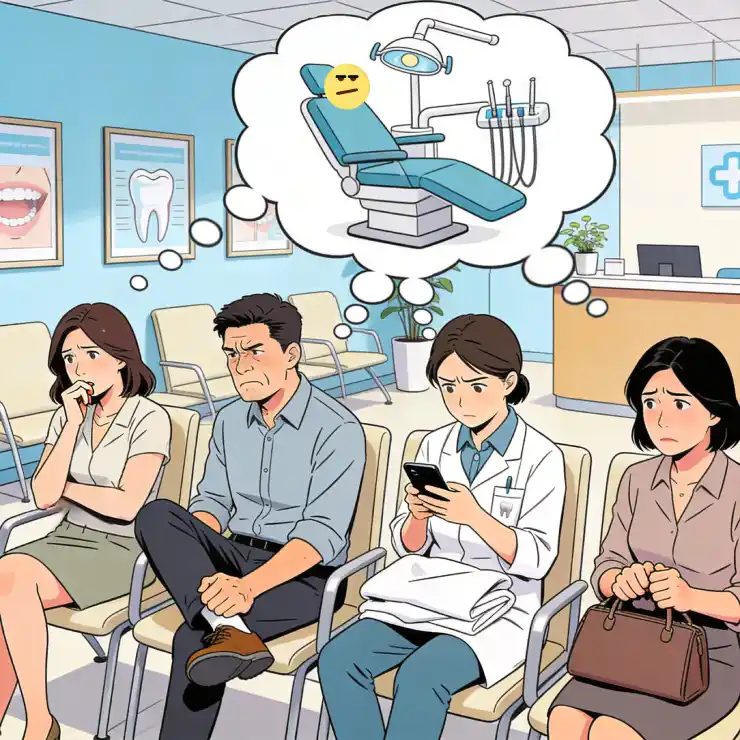
Table of Contents
Adult Dental Health Or: Why You Hate Dentists (And Why That’s Actually Good)
You hate dentists.
Your friend hates dentists.
Your neighbor, relatives, and a guy you don’t like hate dentists.
Even dentists hate going to the dentist.
😮
I’ve heard it hundreds of times in the clinic.
And no, I never took it personally.
What bothered me wasn’t the dislike — it was the fear underneath it.
Because I never wanted to be someone people feared, especially in a place meant for care and healing.
The fear is usually based on unknowns, fear of pain, and the belief that there is no other way of doing things.
Dental chair feels like a sentence, instead of a place where you can save your great resource like teeth and smiling without feeling self-conscious.
I want to show you how deep the rabbit hole goes, so you can see the other world of dentistry — the one that’s not scary, not expensive, and not a source of anxiety.
Often it’s not something you can easily hear in dental offices, because we’re busy in daily routines trying to fix problems, not talk about the big picture.
I think here is the best place to have that conversation.
Let’s Be Honest About Why You Avoid Us
A dental visit often means:
- Someone invading your personal space
- Strange noises and unfamiliar senses
- Mild / moderate / great discomfort (pain is subjective, but it’s usually not “fun”)
- Needles, drills, and other intimidating tools
- A bill
- Rearranging your schedule
- Sitting in a waiting room scrolling through your phone
It can feel like you’re voluntarily signing up for inconvenience and expense.
Almost like you’re doing this to yourself.
And that’s the interesting part.
The Part Nobody Emphasizes Enough
You are doing this to yourself.
But not in the way you think.
Not because you “caused” the problem.
Not because you’re careless.
Not because you’re lazy.
But because most adult dental issues are:
Slow. Predictable. Preventable…
…if you know what to look out for.
That’s not blame.
That’s power to turn things around.
What If You Could Mostly Avoid Us?
Yes, this is possible if it’s done right.
Of course, there are exceptions.
But for most dental problems, the trajectory is set way before you ever feel pain or see a problem in the mirror.

Imagine this:
You visit a dentist once a year.
You do a checkup.
Maybe a cleaning.
You leave.
No emergency pain.
No root canals.
No surprise surgeries.
For many adults, this is absolutely possible.
Not by luck.
By routine.
No Matter Where You Start — It’s Not Too Late
Missing teeth?
Multiple fillings?
Bleeding gums?
Haven’t been to a dentist in years?
Start anyway.
Dentistry is not a perfection contest.
It’s a damage-control system.
Every improvement counts.
Every stabilized tooth matters.
Every reduced inflammation lowers future risk.
You don’t need a perfect mouth.
You need a direction.
The Financial Reality (This Is Where It Gets Interesting)
Dental disease is progressive.
It rarely jumps from “healthy” to “disaster”.
From a tooth’s point of view, it usually goes like this:
How Dental Problems Progress Over Time
There is also a gum disease progression, which can often be a key factor in tooth loss and expensive treatments.
It’s usually a lot of factors combined from this chart that you can find in one person, not just one.
If you can get a filling before it becomes a root canal, you already saved a lot of money, time, and stress.
Not to mention if you crown a tooth before it fractures, you saved yourself from a possible extraction + dental bridge or dental implant.
Dental problems compound financially the same way interest compounds in a bank account — except in reverse.
It mostly sums up to the fact that:
the earlier you intervene, the less you pay.
Your Mouth Is Not Separate From Your Body
I won’t go deep into systemic health connections between mouth and body — there’s enough research online about the relevance of oral health to the general overall health.
But here’s something practical:
Before many medical procedures — especially if someone has a compromised immune system — doctors require dental clearance.
Why?
Because untreated oral infections are chronic inflammatory sources.
We often take it for granted, but in the long term the good oral health works in your favor in many ways.
This is actually a key benefit of having good dental health.
So What Actually Matters Daily?
Not perfection.
Not ten different tools.
Not turning your bathroom into a dental laboratory.
The basics done consistently create most of the results.
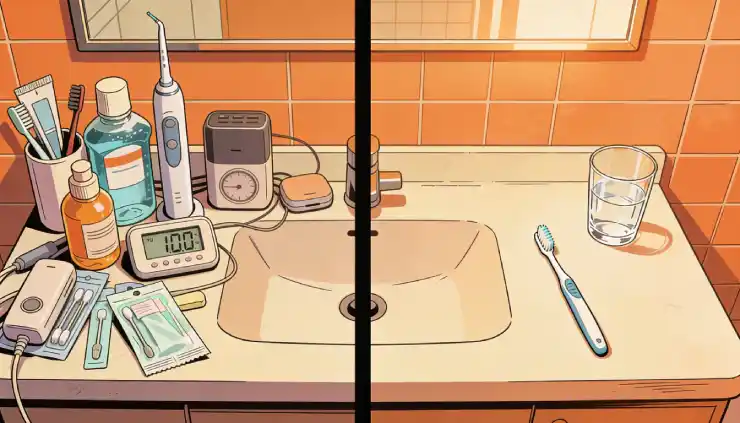
Examples:
- Brushing properly once or twice daily
- Reducing time span of sugar exposure
- Drinking water after acidic drinks
- Not ignoring bleeding gums
- Acting early instead of waiting for pain
These are low-time, high-impact behaviors.
That’s what we’ll focus on here.
What You’ll Learn in This Section
This section isn’t random dental trivia.
It’s organized around real problems adults actually search for — usually at 11 PM when something hurts or looks suspicious.
Here’s where you can start.
Mouth Sores & Things That Freak You Out in the Mirror 😖
White spot? Painful ulcer? Tingling lip?
Most adults immediately think: “Is this serious?”
Let’s separate common from dangerous.
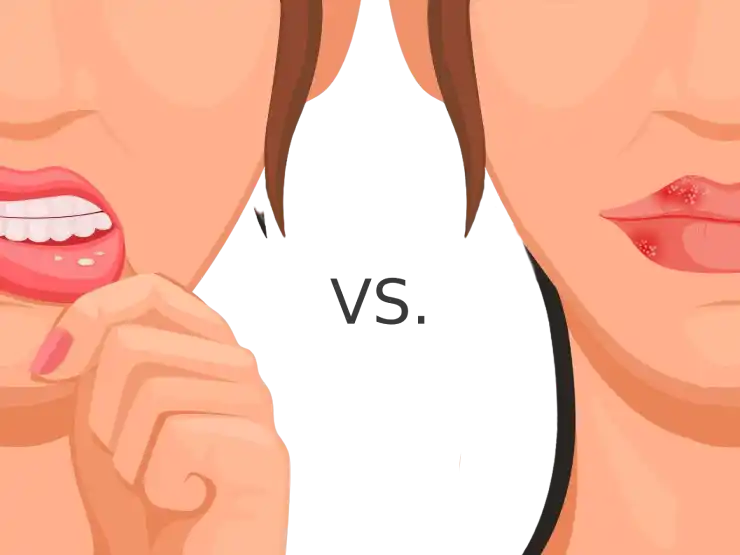
Canker Sores vs Cold Sores – What’s the Difference?
Canker sores vs cold sores explained — symptoms, causes, contagious risk, treatments, and how to tell the difference fast. Simple guide for adults and parents.
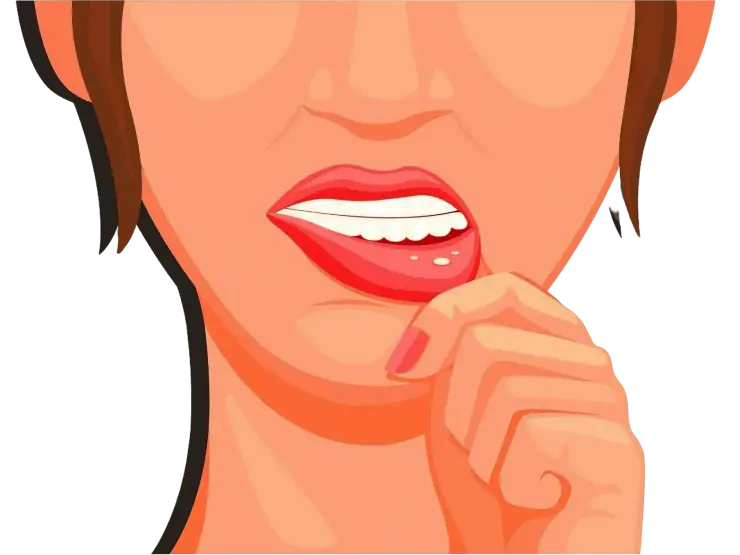
How to Get Rid of Canker Sores Fast and Naturally
Find out effective ways to get rid of canker sores quickly with natural remedies that you can find in your household with expert dental advice.
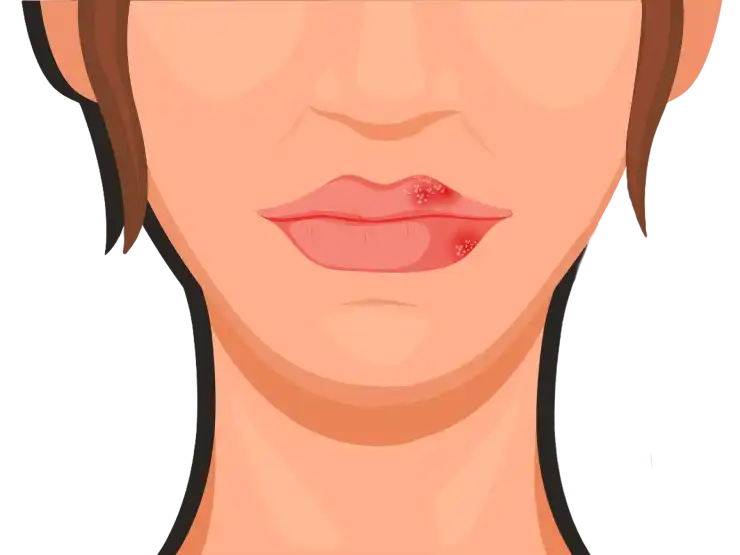
Cold Sores Inside the Mouth: Why Acting Fast Matters
Cold sores have triggers. If you act fast, you can reduce their severity. Learn when they’re contagious, and why early treatment actually matters.
Because not every sore is a catastrophe — but not every sore should be ignored either.
Tooth Sensitivity & Pain Signals 🥶
Cold water shouldn’t feel like an electric shock.
But when it does, your tooth is trying to tell you something.
Pain is rarely random.
It’s usually mechanical, inflammatory, or structural.
Start here:
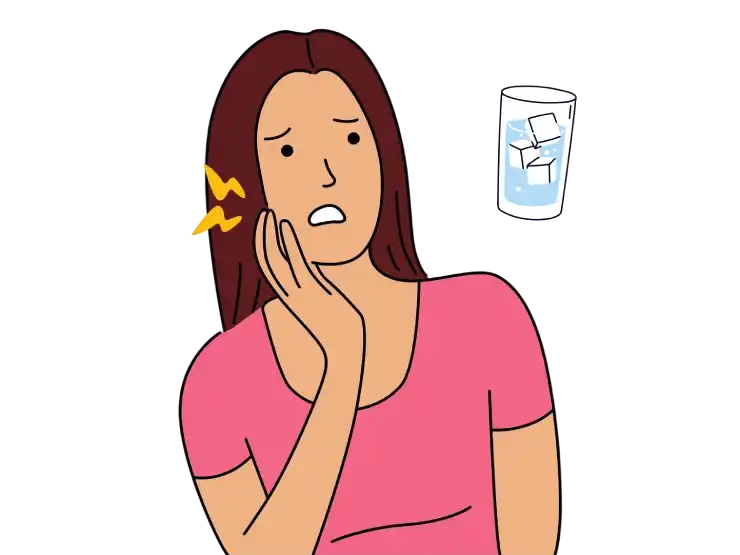
Understanding the signal early can mean the difference between a simple fix and a complex procedure.
Restorations & Bigger Decisions 🦷
Sometimes prevention wasn’t enough.
Or maybe it started too late.
When a tooth is damaged, restored, or weakened, the decisions get more serious — and more expensive.
Before you panic, read this:
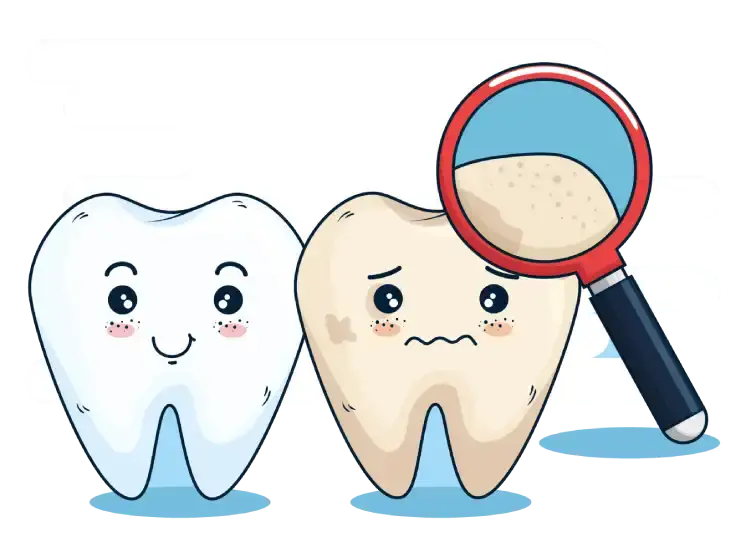
Not every tooth needs aggressive treatment.
But some absolutely do.
Knowing the difference matters.
Choosing the Right Dentist (Yes, It Matters) 🧠
If you’ve ever felt rushed, pressured, or confused in a dental office, you’re not alone.
Finding a dentist isn’t just about location or price.
It’s about trust, communication, and philosophy.
Start here:
Because the right dentist reduces stress.
The wrong one increases it.
More practical guides will be added as this section grows — focusing on prevention, decision-making, and recognizing early warning signs before they become expensive problems.
Red Flags vs. “Probably Fine”
Future guides in this section will cover:
- Tooth sensitivity: normal or dangerous?
- Bleeding gums: temporary irritation or early gum disease?
- Bad breath: hygiene issue or deeper problem?
- Cracked tooth symptoms
- When pain means urgency
Knowing the difference reduces panic — and prevents neglect.
A Final Thought
I don’t want to make you love dentists.
I want you to understand your mouth well enough that you don’t need one very often.
If that means fewer emergency visits and more confident checkups, that’s a big win.
For you (and your wallet).
And honestly?
For dentists, too (good ones).
Smile back 🍀
About the Author: DMD Alexander K.
Doctor of Dental Medicine with clinical experience treating adults and children. This site focuses on practical prevention, symptom education, and helping patients make informed decisions.
Learn more on the About page.