Cold Sores:
Symptoms, Triggers & How to Treat Them
Last Updated: December 16, 2025
🕒 4 min read
Cold Sores (a.k.a. “That Annoying Lip Thing That Always Comes Back”)
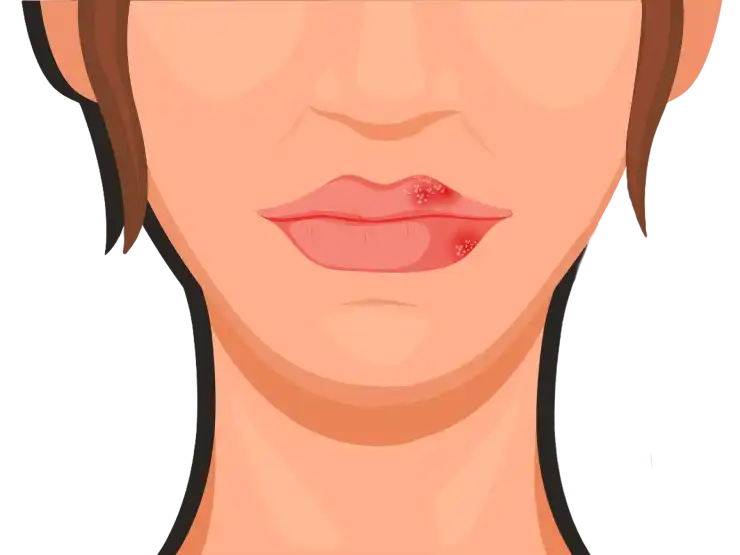
Cold sores usually show up right on the edge of your lips, where the pink part meets the skin.
Doctors call this herpes labialis. Normal people call it a cold sore or a fever blister.
Same thing. Worse name.
Once you’ve had the virus, it doesn’t leave.
It just waits. Quietly. Like a bad idea.
Then it comes back when you’re stressed, sick, sleep-deprived, or your immune system is having a bad day.
⚠️ The Warning Phase (This Is Where You Win or Lose)
Before you see a cold sore, you usually feel it first.
This happens 6 to 24 hours before anything appears.
Common early signs:
- Tingling
- Burning
- Itching
- Warmth
- Redness
- A very clear “something’s wrong with my lip” feeling
This early phase is called the prodrome.
You don’t need to remember the word — just remember this:
If you wait until you see the blister, you’re already late.
This is the moment when treatment actually works.
👀 What a Cold Sore Looks Like
Cold sores follow a very predictable script:
- Tingling or burning starts
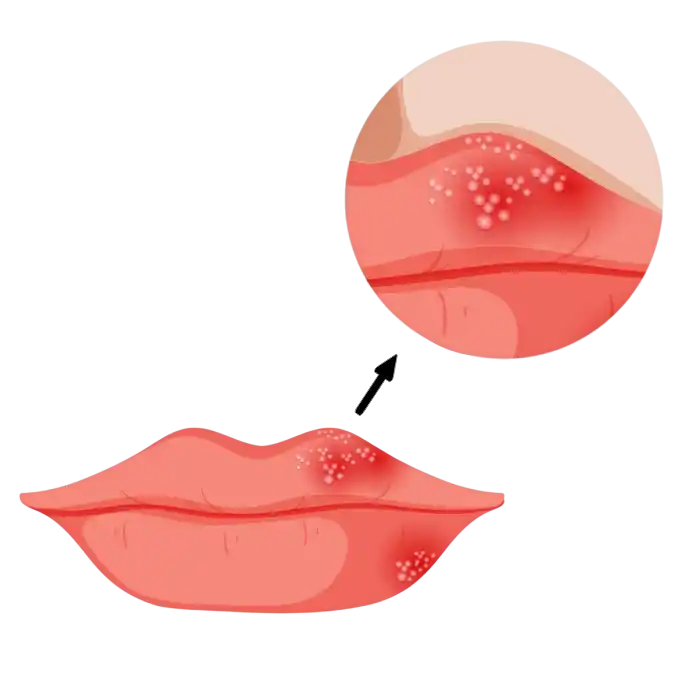
- Small fluid-filled blisters appear (often clustered)
- Blisters break open within 1–2 days
- A yellow-brown crust forms
- Healing finishes in 7–10 days
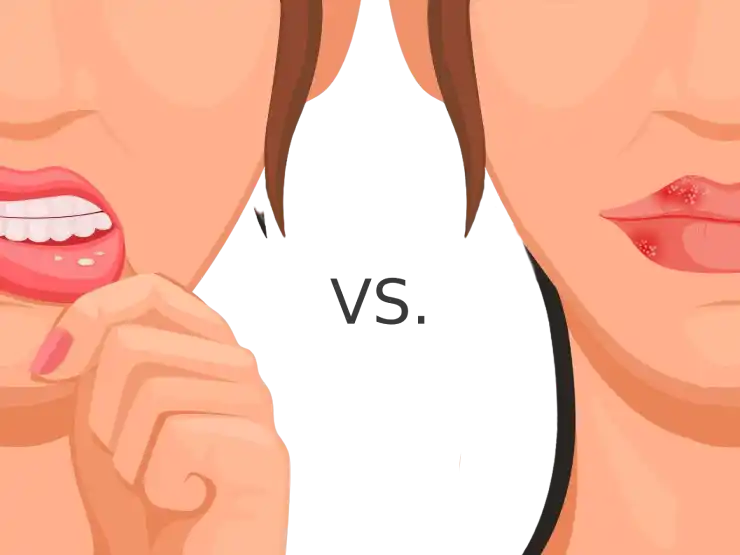
If it’s:
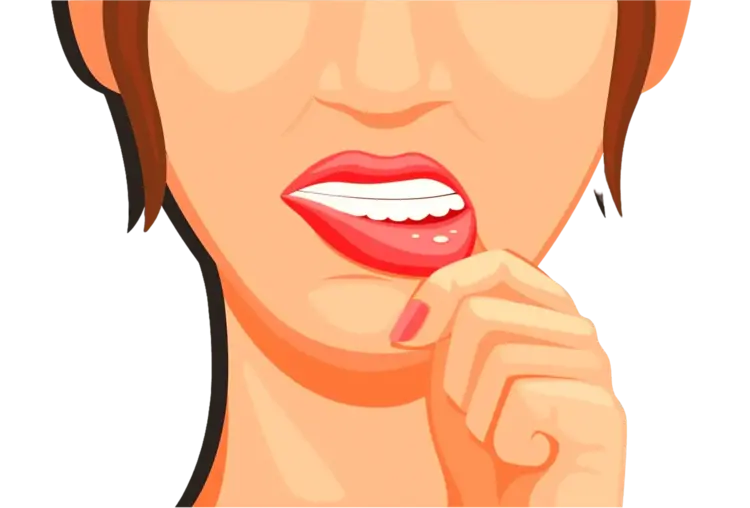
- fully inside your mouth
- white in the center with a red ring
- painful mainly when eating
Then you’re likely dealing with a 👉 canker sore, not a cold sore.
Different problem. Different treatment.
🦠 Is a Cold Sore Contagious? (Yes. Very.)
Cold sores are highly contagious, especially when:
- blisters are visible
- fluid is leaking
- crusts are forming
During this time:
- ❌ no kissing
- ❌ no sharing cups, utensils, towels, or lip balm
- ❌ no “it’ll be fine”
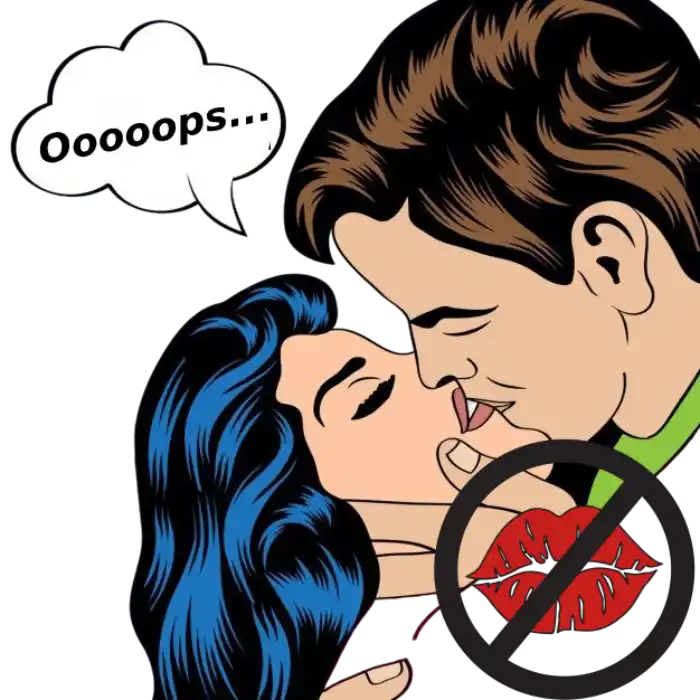
Touching a cold sore and then touching your eyes — or another person — is how things escalate fast.
💊 Treatment: Timing Beats Everything
Let’s be very clear:
Antiviral treatment only helps if you start early.
The virus is most active in the first 48 hours.
Symptoms are often worst in the first 8 hours.
That’s why starting at the first tingle matters more than which product you choose.
Treatment options (from strongest to weakest)
Penciclovir cream
- Most effective topical option
- Shortens healing and pain
- Best results when started during the warning phase
Acyclovir cream
- Helpful, but slightly less effective than penciclovir
Docosanol 10% (OTC)
- Some benefit
- Least effective of the three
No cream performs miracles.
Timing does.
🏠 The Smart Move (Most People Miss To Do This)
Cold sores don’t wait for pharmacy hours.
They show up:
- late at night
- on weekends
- during vacations
- right before something important
Having antiviral cream already at home is the smartest move you can make.
Waiting until tomorrow is how a tiny tingle becomes a full-blown face announcement.
Hope is not a treatment plan.
❓ Cold Sore FAQ (Click to Expand)
How do you get rid of a cold sore fast?
When is a cold sore contagious?
When is it safe to kiss again?
What causes cold sores to appear?
Is it safe to pop a cold sore?
What happens if a cold sore goes untreated?
Are cold sores a big deal or an STD?
How long do cold sores usually last?
How are cold sores treated during pregnancy?
Will cold sores keep coming back forever?
Treat early. Avoid people. Virus loses. 🍀
Author: DMD Alexander K.
Doctor of Dental Medicine on dental topics. Facts first. Drama optional.
Learn more on the About page.